Beekeeping Basics: Growing Your Own Honey Supply
Beekeeping is not just a hobby; it’s a rewarding endeavor that allows you to produce your own honey while contributing to the environment. With the decline of bee populations worldwide, becoming a beekeeper can also be a way to support these vital pollinators. Whether you’re looking to enjoy the sweet taste of fresh honey or want to engage in a sustainable practice, this guide will walk you through the basics of beekeeping.
Understanding the Importance of Bees
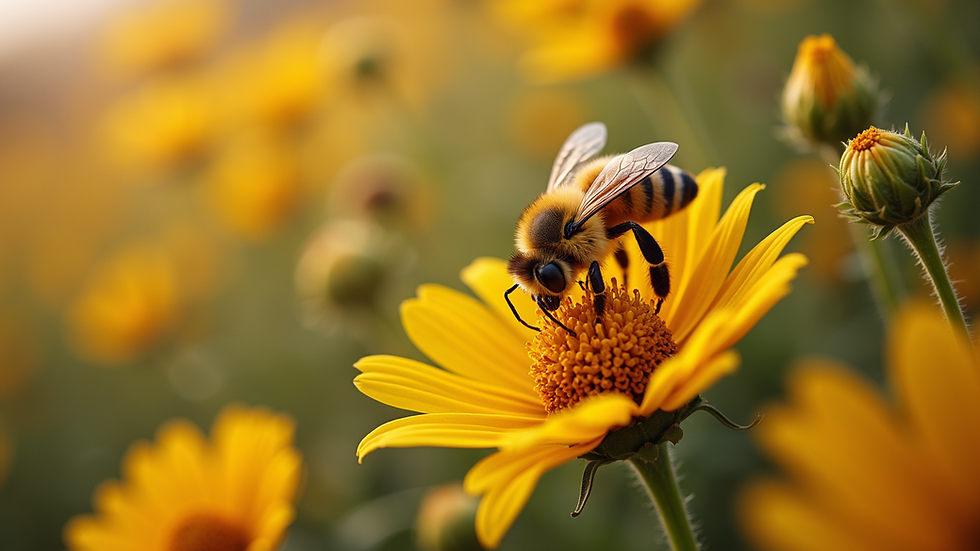
Bees play a crucial role in our ecosystem. They are responsible for pollinating a significant portion of the crops we consume. According to the Food and Agriculture Organization (FAO), about 75% of the world’s food crops depend on pollinators, including bees. By keeping bees, you not only get honey but also contribute to the health of your local environment.
The Benefits of Beekeeping
Fresh Honey Supply: Enjoy the taste of honey straight from your own backyard.
Pollination: Help local plants and crops thrive by providing pollination services.
Educational Experience: Learn about the fascinating life of bees and their social structure.
Sustainable Practice: Engage in an eco-friendly hobby that supports biodiversity.
Getting Started with Beekeeping
Before diving into beekeeping, it’s essential to understand what you need to get started.
Essential Equipment
Beehive: The home for your bees. There are various types, including Langstroth, Top-Bar, and Warre hives.
Protective Gear: A bee suit, gloves, and a veil to protect yourself from stings.
Smoker: Used to calm bees during inspections.
Hive Tool: Helps in managing the hive and inspecting frames.
Bee Brush: Gently moves bees without harming them.
Choosing the Right Location
Selecting the right location for your beehive is crucial. Consider the following factors:
Sunlight: Bees thrive in sunny locations. A spot that receives morning sun is ideal.
Water Source: Ensure there’s a nearby water source, such as a pond or birdbath.
Wind Protection: Place the hive in a sheltered area to protect it from strong winds.
Selecting Your Bees
Once you have your equipment and location ready, it’s time to choose your bees. There are several types of bees you can consider:
Honeybee Species
Italian Bees: Known for their gentle nature and high honey production.
Carniolan Bees: Adaptable and excellent foragers, they are also known for their resilience.
Russian Bees: Hardy and resistant to diseases, making them a good choice for beginners.
Where to Buy Bees
You can purchase bees from local beekeepers, bee supply stores, or online. It’s often best to buy a package of bees or a nucleus colony (nuc) to start.
Setting Up Your Beehive
Once you have your bees, it’s time to set up your hive. Follow these steps:
Assembling the Hive
Choose a Level Surface: Ensure the hive is on a stable, level surface.
Assemble the Components: Follow the manufacturer’s instructions to put together the hive.
Add Frames: Insert frames into the hive where bees will build their comb.
Introducing Bees to the Hive
When your bees arrive, you’ll need to introduce them to their new home carefully:
Open the Package: If you have a package of bees, gently shake them into the hive.
Place the Queen: If you have a queen in a separate cage, release her into the hive after a few days.
Close the Hive: Ensure the hive is securely closed to protect the bees.
Maintaining Your Beehive
Regular maintenance is essential for a healthy hive. Here are some key tasks:
Regular Inspections
Inspect your hive every 7-10 days during the active season. Look for:
Queen Presence: Ensure the queen is laying eggs.
Honey Stores: Check if the bees have enough honey for sustenance.
Pests and Diseases: Look for signs of pests like Varroa mites or diseases.
Feeding Your Bees
In the early spring or during times of nectar shortage, you may need to feed your bees. Use sugar syrup (1:1 ratio of sugar to water) in a feeder.
Harvesting Honey
When your bees have produced enough honey, it’s time to harvest. Here’s how:
Check for Capped Honey: Only harvest honey that is capped, indicating it’s ready.
Use a Honey Extractor: This tool helps extract honey without damaging the comb.
Store Properly: Store honey in clean, airtight containers.
Challenges in Beekeeping
Beekeeping is not without its challenges. Here are some common issues you may face:
Pests and Diseases
Varroa Mites: These parasites can weaken and kill bee colonies. Regular monitoring and treatment are essential.
American Foulbrood: A bacterial disease that can devastate hives. If detected, the hive may need to be destroyed.
Weather Conditions
Extreme weather can impact bee activity. Ensure your hive is protected from harsh conditions, and consider providing additional food during winter.
Conclusion
Beekeeping is a fulfilling and impactful hobby that allows you to produce your own honey while supporting the environment. By understanding the basics of beekeeping, you can create a thriving hive and enjoy the sweet rewards of your labor. Remember to stay informed, connect with local beekeeping communities, and continuously learn about the fascinating world of bees. Start your beekeeping journey today and make a difference in your local ecosystem!


Comments